Category: Public Service Announcement

  • CPSC Warns Consumers to Immediately Stop Using Pedetid High-Powered Magnetic Ball Sets Due to Ingestion Hazard; Failure to Meet Federal Safety Regulation for Toy Magnet Sets; Sold Exclusively on Walmart.com

    Release Date: January 18, 2024

    Release Number: 24-083

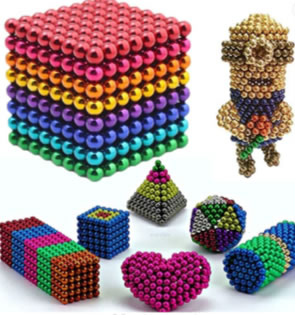
    WASHINGTON, D.C. – The U.S. Consumer Product Safety Commission (CPSC) is warning consumers to immediately stop using and dispose of Pedetid 216-Piece 5mm Magic Magnet Ball Sets because the loose, hazardous magnets pose a risk of serious injury or death if ingested by children. 

    CPSC testing determined the Magic Magnet Ball Sets do not comply with the requirements of the mandatory federal toy regulation because they contain one or more magnets that fit within CPSC’s small parts cylinder and the magnets are stronger than permitted. 

    When high-powered magnets are swallowed, the ingested magnets can attract to each other, or to another metal object, and become lodged in the digestive system. This can result in perforations, twisting, and/or blockage of the intestines, infection, blood poisoning and death. 

    CPSC estimates 2,400 magnet ingestions were treated in hospital emergency departments from 2017 through 2021. CPSC is aware of seven deaths involving the ingestion of hazardous magnets, including two outside of the United States.

    CPSC issued a Notice of Violation to the seller, Pedetid Store, of China, but the firm has not agreed to recall these magnetic ball sets or offer a remedy to consumers. Consumers who purchased the product will receive this notice directly.

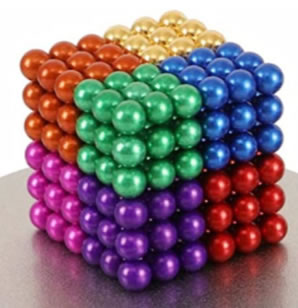
    The magnetic ball sets were sold online at www.walmart.com for about $14. The sets were sold in a set of multi-colored magnetic balls in the form of a cube. The sets were sold encased in a clear plastic case and a portable tin storage box. 

    CPSC urges consumers to stop using the magnetic balls sets immediately, take them away from children, and dispose of them

    Pictures available here: https://www.cpsc.gov/Newsroom/News-Releases/2024/CPSC-Warns-Consumers-to-Immediately-Stop-Using-Pedetid-High-Powered-Magnetic-Ball-Sets-Due-to-Ingestion-Hazard-Failure-to-Meet-Federal-Safety-Regulation-for-Toy-Magnet-Sets-Sold-Exclusively-on-Walmart-com

    Report any incidents involving injury or product defect to CPSC at www.SaferProducts.gov.

    Individual Commissioners may have statements related to this topic.  Please visit www.cpsc.gov/commissioners to search for statements related to this or other topics.
  • CPSC Warns Consumers to Immediately Stop Using Hygge Hush Flat Classic Logo Style Play Yard Mattresses Due to Suffocation Risk; Violation of the Federal Safety Regulation for Crib Mattresses

    Release Date: January 4, 2024

    Release Number: 24-073

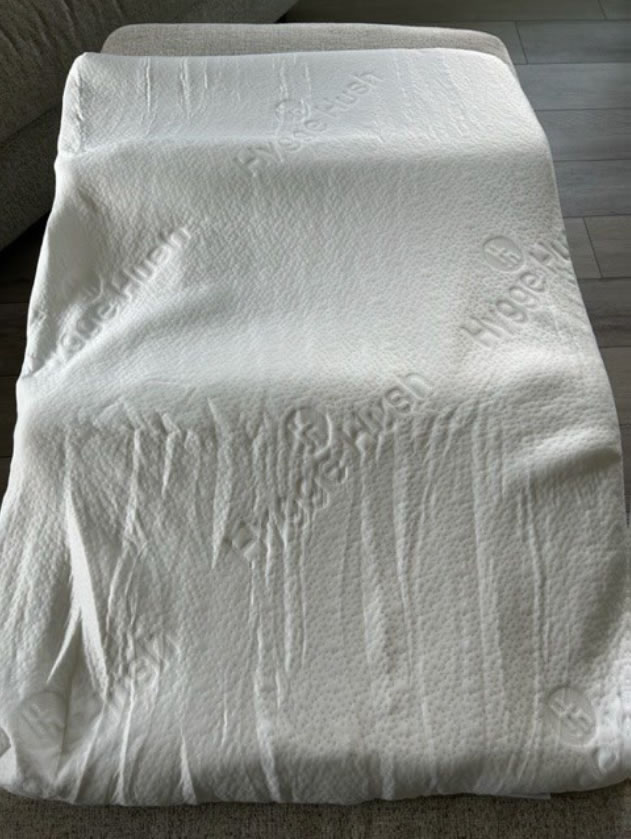
    WASHINGTON, D.C. – The U.S. Consumer Product Safety Commission (CPSC) is warning consumers to immediately stop using Hygge Hush Flat Classic Logo Style play yard mattresses because they violate the federal safety regulation for crib mattresses posing a suffocation hazard to infants. The mattresses do not comply with the mattress thickness requirements and are missing the required warning label that lists the specific brands and model numbers of the products with which the mattress can be used. Additionally, the mattresses do not meet marking, labeling, and instructional literature requirements. These failures create an unsafe sleeping environment for infants.

    CPSC issued a Notice of Violation to the seller, Hygge Hush-US, of China, but the firm has not agreed to recall these mattresses or offer a remedy to consumers. Known consumers who purchased the product will receive this notice directly.

    The mattresses were sold online on Amazon.com and other e-commerce sites for between $35 and $64 from August 2021 to August 2023. CPSC tested the mattresses in the “Flat Classic Logo” style. The white mattresses are 26 inches wide and 38 inches long with the brand name “Hygge Hush” and the double H logo printed in large letters multiple times on the cover of the mattress. There are two small white tags on the mattress. One tag has the brand name printed on it and the other tag has the Hygge Hush logo printed on the tag.

    Although the Crib Mattress regulation applies to products manufactured on or after August 15, 2022, the CPSC urges consumers to stop using and dispose of all Hygge Hush Flat Classic Logo Style play yard mattresses regardless of their date of manufacture.

    CPSC urges consumers to stop using these Hygge Hush play yard mattresses immediatelyunzip the mattress cover from the mattress, cut up the mattress cover and mattress using scissors or a box cutter, and dispose of the pieces in the trash in accordance with local garbage collection policies. 

    Report any incidents involving injury or product defect to CPSC at www.SaferProducts.gov.

    Individual Commissioners may have statements related to this topic.  Please visit www.cpsc.gov/commissioners to search for statements related to this or other topics.
    Hygge Mattress
  • CPSC Warns Consumers to Immediately Stop Using Doraemon High-Powered Magnetic Ball Sets Due to Ingestion Hazard; Failure to Meet Federal Safety Regulation for Toy Magnet Sets; Sold Exclusively at Amazon.com

    Release Date: December 21, 2023

    Release Number: 24-059

    WASHINGTON, D.C. – The U.S. Consumer Product Safety Commission (CPSC) is warning consumers to immediately stop using and dispose of Doraemon Dovfun Suit Magnetic Ball Sets because the loose, hazardous magnets pose a risk of serious injury or death if ingested by children.

    CPSC testing determined the magnetic ball sets do not comply with the requirements of the mandatory federal toy regulation because they contain one or more magnets that fit within CPSC’s small parts cylinder and the magnets are stronger than permitted. When high-powered magnets are swallowed, the ingested magnets can attract to each other, or to another metal object, and become lodged in the digestive system. This can result in perforations, twisting and/or blockage of the intestines, infection, blood poisoning and death.

    CPSC estimates 2,400 magnet ingestions were treated in hospital emergency departments from 2017 through 2021. CPSC is aware of seven deaths involving the ingestion of hazardous magnets, including two outside of the United States.

    CPSC issued a Notice of Violation to the seller, Doraemon, of China, but the firm has not agreed to recall these magnetic ball sets or offer a remedy to consumers. Consumers who purchased the product will receive this notice directly.

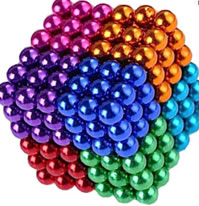
    The magnetic ball sets were sold online at Amazon.com for about $25. The sets were sold in a set of multi-colored magnetic balls in the form of a cube. The sets were sold encased in a clear-plastic case in a portable tin storage box.

    CPSC urges consumers to stop using the Magnetic Ball Sets immediately, take them away from children, and dispose of them.

    Report any incidents involving injury or product defect to CPSC at www.SaferProducts.gov.

    Individual Commissioners may have statements related to this topic.  Please visit www.cpsc.gov/commissioners to search for statements related to this or other topics.
    Magnetic Ball Set
  • CPSC Warns Consumers to Immediately Stop Using “Baby Loungers” Due to Suffocation Risk and Fall Hazard; Failure to Meet Federal Safety Regulation for Infant Sleep Products

    Release Date: December 21, 2023

    Release Number: 24-063

    WASHINGTON, D.C. – The U.S. Consumer Product Safety Commission (CPSC) is warning consumers to immediately stop using “Baby Loungers” because they violate the federal safety regulation for infant sleep products, posing a risk of suffocation and a fall hazard to infants. Specifically, the loungers fail to meet the safety requirements of CPSC’s Infant Sleep Products regulation because they do not have a stand, which creates an unsafe sleeping environment for infants. In addition, the loungers fail to meet the regulation’s marking, labeling, and instructional literature requirements. The lounger and its packaging also lack a tracking label containing product information such as the date of manufacture, which is required for children’s products including durable infant or toddler products.

    CPSC issued a Notice of Violation to the seller, Poetint002 of China, but the firm has not agreed to recall these loungers or offer a remedy to consumers. Consumers who purchased the product will receive this notice directly.

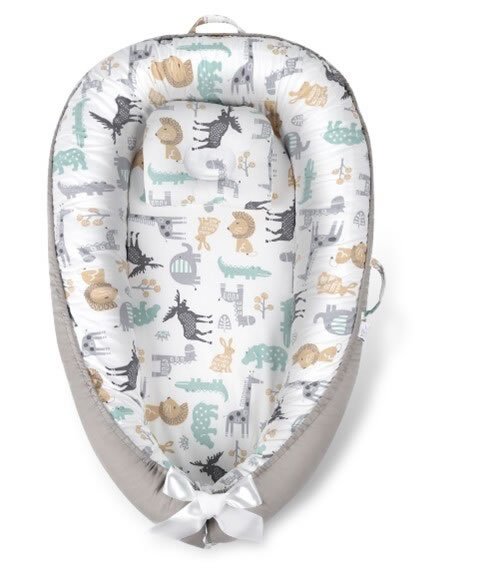
    The baby loungers were sold online on Amazon.com and other e-commerce sites. CPSC evaluated the loungers in the Grey Animal printed fabric. The white sticker label on the packaging identifies the products as “Baby Loungers.” There is a red tag on the products with three rectangular symbols. The lounger is oval in shape and was sold in the color style “gray animal.” It is gray on the outside and white on the inside with animals such as lions, moose, and giraffes printed on the inside of the lounger. It comes with a small pillow with similar animal imagery on it.

    Although the ISP regulation applies to products manufactured on or after June 23, 2022, the CPSC urges consumers to stop using all loungers sold by Poetint002 regardless of their date of manufacture. Further, CPSC continues to advise firms to stop sale of non-compliant infant sleep products regardless of the date of manufacture.

    CPSC urges consumers to stop using the loungers immediately, unzip and disassemble the products, cut-up the lounger cover, sleeping pad, and side bumpers and dispose of the pieces in the trash or textile recycling, in accordance with local garbage collection policies.

    Parents and caregivers are reminded:

    • The best place for an infant to sleep is on a firm, flat surface in a crib, bassinet or play yard.
    • Use a fitted sheet only and never add blankets, pillows, padded crib bumpers, or other items to an infant’s sleeping environment.
    • Infants should always be placed to sleep on their back. Infants who fall asleep in an inclined or upright position should be moved to a safe sleep environment with a firm, flat surface such as a crib, bassinet or play yard.

    Report any incidents involving injury or product defect to CPSC at www.SaferProducts.gov.

    Individual Commissioners may have statements related to this topic.  Please visit www.cpsc.gov/commissioners to search for statements related to this or other topics.
    Baby Lounger
  • CPSC Warns Consumers to Immediately Stop Using Yntezhya US Shop High-Powered Magnetic Ball Sets Due to Ingestion Hazard; Failure to Meet Federal Safety Regulation for Toy Magnet Sets; Sold Exclusively at Amazon.com

    Release Date: December 21, 2023

    Release Number: 24-062

    WASHINGTON, D.C. – The U.S. Consumer Product Safety Commission (CPSC) is warning consumers to immediately stop using and dispose of Yntezhya US Shop Magnetic Ball Sets because the loose, hazardous magnets pose a risk of serious injury or death if ingested by children.

    CPSC testing determined the magnetic ball sets do not comply with the requirements of the mandatory federal toy regulation because they contain one or more magnets that fit within

    CPSC’s small parts cylinder and the magnets are stronger than permitted. When high-powered magnets are swallowed, the ingested magnets can attract to each other, or to another metal object, and become lodged in the digestive system. This can result in perforations, twisting and/or blockage of the intestines, infection, blood poisoning and death.

    CPSC estimates 2,400 magnet ingestions were treated in hospital emergency departments from 2017 through 2021. CPSC is aware of seven deaths involving the ingestion of hazardous magnets, including two outside of the United States.

    CPSC issued a Notice of Violation to the seller, Yntezhya US Shop, of China, but the firm has not agreed to recall these magnetic ball sets or offer a remedy to consumers. Consumers who purchased the product will receive this notice directly.

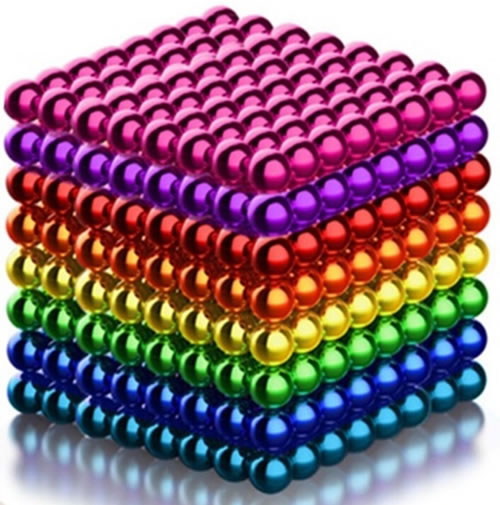
    The magnetic ball sets were sold online at Amazon.com for about $23. The sets were sold in a set of multi-colored magnetic balls in the form of a cube. The sets were sold encased in a clear-plastic case in a portable tin storage box.

    CPSC urges consumers to stop using the magnetic ball sets immediately, take them away from children, and dispose of them.

    Report any incidents involving injury or product defect to CPSC at www.SaferProducts.gov.

    Individual Commissioners may have statements related to this topic.  Please visit www.cpsc.gov/commissioners to search for statements related to this or other topics.
  • CPSC Warns Consumers to Immediately Stop Using Life Changing Products’ High-Powered Magnetic Ball Sets Due to Ingestion Hazard; Failure to Meet Federal Safety Regulation for Toy Magnet Sets

    WASHINGTON, D.C. – The U.S. Consumer Product Safety Commission (CPSC) is warning consumers to immediately stop using and dispose of Life Changing Products’ Magnetic Ball Sets because the loose, hazardous magnets pose a risk of serious injury or death if ingested by children.

    CPSC testing determined the Magnetic Ball Sets do not comply with the requirements of the mandatory federal toy regulation because they contain one or more magnets that fit within CPSC’s small parts cylinder and the magnets are stronger than permitted by the requirements. When high-powered magnets are swallowed, the ingested magnets can attract to each other, or to another metal object, and become lodged in the digestive system. This can result in perforations, twisting and/or blockage of the intestines, infection, blood poisoning, and death.

    CPSC estimates 2,400 magnet ingestions were treated in hospital emergency departments from 2017 through 2021. CPSC is aware of seven deaths involving the ingestion of hazardous magnets, including two outside of the United States.

    CPSC issued a Notice of Violation to the seller, Life Changing Products Holdings LTD, of China, but the firm has not agreed to recall these 216-Piece Magnetic Ball Sets or offer a remedy to consumers.

    The 216-Piece Magnetic Ball Sets are sold online at lcpshop.net for about $40. The sets are sold in the form of a cube and encased in a clear-plastic wrapping.

    CPSC urges consumers to stop using the Magnetic Ball Sets immediately, take them away from children, and dispose of them.

    Report any incidents involving injury or product defect to CPSC at www.SaferProducts.gov.

    Release Number: 24-053

    Life Changing Products’ Magnetic Ball Sets
  • CPSC Warns Consumers to Immediately Stop Using TOCTOC High-Powered Magnetic Ball Sets Due to Ingestion Hazard; Failure to Meet Federal Safety Regulation for Toy Magnet Sets; Sold Exclusively on Amazon.com

    WASHINGTON, D.C. – The U.S. Consumer Product Safety Commission (CPSC) is warning consumers to immediately stop using and dispose of TOCTOC Magnetic Ball Sets because the loose, hazardous magnets pose a risk of serious injury or death if ingested by children.

    CPSC testing determined the Magnetic Ball Sets do not comply with the requirements of the mandatory federal toy regulation because they contain one or more magnets that fit within CPSC’s small parts cylinder, and the magnets are stronger than permitted. When high-powered magnets are swallowed, the ingested magnets can attract to each other, or to another metal object, and become lodged in the digestive system. This can result in perforations, twisting and/or blockage of the intestines, infection, blood poisoning, and death.

    CPSC estimates 2,400 magnet ingestions were treated in hospital emergency departments from 2017 through 2021. CPSC is aware of seven deaths involving the ingestion of hazardous magnets, including two outside of the United States.

    CPSC issued a Notice of Violation to the seller, Shouguang Fujikawa Trading Co., of China, but the firm has not agreed to recall these 216-Piece Magnetic Ball Sets or offer a remedy to consumers.

    The 216-Piece Magnetic Ball Sets were sold online at Amazon.com for about $20. The sets were sold in a set of multi-colored magnetic balls in the form of a cube. The sets were sold encased in clear-plastic wrapping with a portable tin storage box.

    CPSC urges consumers to stop using the Magnetic Ball Sets immediately, take them away from children, and dispose of them.

    Report any incidents involving injury or product defect to CPSC at www.SaferProducts.gov.

    Release Number: 24-052

    TOCTOC Magnetic Ball Sets
  • December Is Safe Toys and Gifts Month

    Written on 23 December 2021 from https://nphic.org/news/featured-topics/552-december-is-safe-toys-and-gifts-month

    During the season of giving, toy safety is crucial in protecting children and other gift recipients. To help remind all gift-givers to buy wisely, Prevent Blindness America has designated December as Safe Toys and Gifts Month. Parents and friends of children can take steps to facilitate safe gift-giving this season by making sure the toys they buy for young ones are appropriate and safe. 

    The Importance of Safe Gift-giving 

    According to the U.S. Consumer Product Safety Commission (CPSC), emergency rooms treated about 224,200 toy-related injuries in 2019. Also, thousands of children 14 years old or younger each year suffer various forms of eye injury, including blindness, from unsafe toys. 

    Children can incur other types of toy-related injuries. For instance, kids can fall off bikes, skateboards, and scooters and suffer broken bones, bruises, head injuries, or cuts. Helmets, knee pads, and other personal protective equipment (PPE) can reduce or prevent injuries when falls happen. Choking is another common hazard, especially with small, removable components. Children can swallow parts and suffer reduced breathing or suffocation. 

    The CPSC has established standards for toy safety requiring testing by independent entities worldwide. These standards also include strict limits on lead and phthalates in toys. While they are crucial, manufacturing regulations are not enough to keep children safe. Parents, caregivers, and gift-givers must understand the potential hazards, whether these are part of the product or the packaging. 

    Checklist for Buying Safe Toys 

    Whether you’re buying gifts for your child or someone else, choosing a safe toy or gift starts with the recipient

    • What toys are appropriate for their age? 
    • Do they have allergies or skin sensitivities? 
    • Do they have sensory issues that make some toys unfit (loud noises, flashing lights)? 
    • Are they physically and cognitively able to use the gift? 
    • If the toy is for outdoors, does the recipient have adequate space to use it? 

    Inspecting any toy or gift before buying it is crucial to ensure safe use and storage. During a careful inspection, keep the following tips in mind when buying for a child: 

    • Avoid presents with sharp edges, points, or spikes. 
    • Do not purchase crayons or markets without a clear “nontoxic” label. 
    • Ensure the product has the American Society for Testing and Materials (ASTM) approval seal. 
    • Avoid toys with shooting parts that can choke or cause injury, especially for children less than three years old. By the way, BB guns are not toys. 
    • Steer clear of toys that could shatter or break into small debris upon impact. This also includes products that a child can pull apart easily. 
    • Include a helmet or other PPE if buying sports gear. 
    • Avoid toys with heating elements, ropes, or cords. 
    • Children young enough to put things in their mouths should not receive anything with magnets or buttons, which can be dangerous upon ingestion. 
    • Any item with removable parts that can fit inside a toilet paper roll poses a choking hazard. 
    • Ensure the toy is devoid of lead paint or any lead-based substances. 

    Checklist for Parents and Caregivers 

    It might go without saying to read all instructions and warning labels before your child plays with a new toy. If someone else bought them the gift, remember to do a thorough inspection to ensure the item has a solid construction and is age- and ability-appropriate. Even if you determine that the toy is safe, there are steps to ensure safe use: 

    • Immediately discard wrapping and packaging. 
    • Show your child how to use the toy safely. 
    • Keep a close watch on your child while they’re playing. This includes craft projects that involve scissors, glue, or other potentially hazardous materials. 
    • Dispose of any toy that is broken or is missing parts. 
    • Keep younger children from playing with toys intended for older siblings. 
    • When not in use, store toys so that they do not cause falls or trips. 
    • Make sure children use PPE that properly fits when playing with sports gear. 
    • Throw away damaged or deflated balloons, which can choke or suffocate. Keep them away from kids younger than eight years old
    • Ensure that only adults handle batteries and charge them because they might get hot and cause burns. 

    Finally, manufacturers regularly issue recalls for various faulty products. Pay attention when there is a recall for a toy or gift you own. Before you purchase, go to the CPSC website to check for any outstanding recalls. Toys and other items sometimes remain on the shelves even after a recall has been in place, especially during a busy holiday season. 

    Research and materials for this article were compiled, written, and distributed on behalf of the National Public Health Information Coalition. The views and opinions expressed in this blog are those of the various authors and do not necessarily reflect the official policy or position of the National Public Health Information Coalition or its members. 

    References 

    1. https://preventblindness.org/safe-toy-checklist/ 
    2. https://cpsc-d8-media-prod.s3.amazonaws.com/s3fs-public/Toy-Related-Deaths-and-Injuries-2019.pdf 
    3. https://child-familyservices.org/december-is-national-safe-toys-and-gifts-month/ 
    4. https://www.gvec.org/giving-safely-national-safe-toys-and-gifts-month-gvec/ 
    5. https://www.astm.org 
    6. https://www.apha.org/Events-and-Meetings/APHA-Calendar/2021/2021-Safe-Toys-and-Gifts-Month 
    7. https://www.cpsc.gov/Recalls 
  • CPSC Warns Consumers to Immediately Stop Using Karriw Crib Bumpers Due to Suffocation Hazard; Violation of the Federal Ban on Crib Bumpers; Sold Exclusively on Amazon.com by Lucky_00

    WASHINGTON, DC – The U.S. Consumer Product Safety Commission (CPSC) is warning consumers to immediately stop using Karriw crib bumpers, sold exclusively on Amazon by Lucky_00, because they pose a suffocation hazard to infants. The crib bumpers are banned by the federal Safe Sleep for Babies Act.

    CPSC issued a Notice of Violation to the seller, Lucky_00, of China, but the firm has not agreed to recall these crib bumpers or offer a remedy to consumers. Consumers who purchased the product will receive this notice directly.

    The crib bumpers were sold online at Amazon.com with the listed brand name Karriw. They were sold during July 2023 for about $39. CPSC evaluated the gray crib bumpers and determined they are subject to the federal ban. CPSC is aware the firm also sold the crib bumpers in additional colors: elephant, pink, and white. The crib bumpers have no markings or labels. They come in four pieces (two long pieces and two short pieces) with straps on the end to tie to the crib rails. The long strips are about 51-inches long and 10-inches wide and the short strips are about 28-inches long and 10-inches wide.

    CPSC urges consumers to stop using the crib bumpers immediately, cut the padding, and dispose of the bumpers.

    Parents and caregivers are reminded:

    • The best place for an infant to sleep is on a firm, flat surface in a crib, bassinet or play yard.
    • Use a fitted sheet only and never add blankets, pillows, padded crib bumpers, or other items to an infant’s sleeping environment.
    • Infants should always be placed to sleep on their back. Infants who fall asleep in an inclined or upright position should be moved to a safe sleep environment with a firm, flat surface such as a crib, bassinet or play yard.
    Karriw Crib Bumpers
  • Toy Safety Facts from SafeKids

    The Hard Facts about Toy Safety: In 2016, 174,100 children under the age of 15 years were seen in emergency departments for toy-related injuries. That’s 477 kids every day. Almost half of those injured were children 5 and under. 

    Top Tips about Toy Safety

    Consider your child’s age when purchasing a toy or game. Read the instructions and warning labels to make sure the toy is just right for your child. Check to make sure there aren’t any small parts or other potential choking hazards before you settle on the perfect toy. Separate toys by age and keep a special eye on small game pieces that may be a choking hazard for young children. Toys intended for older children may pose a risk to younger, curious siblings. Use a bin or container to store toys when playtime is over. Make sure there are no holes or hinges that could catch little fingers.