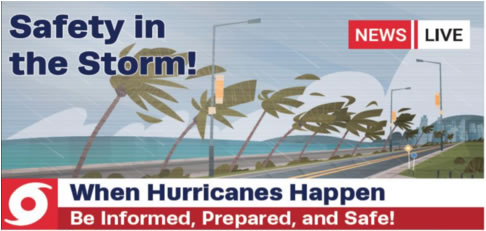
We all handle storms differently. Some of us hide under the covers while others can’t wait to jump in the puddles once they’re over. No matter which of these groups you relate to the most, it is important to be aware of storm-related hazards this hurricane season.
Carbon monoxide (CO) poisoning is not the only danger your household could face after a storm. Other common post-storm hazards include electrocution, fire, and gas leaks.
Being aware of these hazards can help you and your loved ones stay safe long after the storm. To learn more about how to protect against these hazards, check out our hurricane season news release.
In addition, our safety guide can be used as a quick reference for hurricane season safety tips.
2024 Report of Deaths and Injuries Involving Off-Highway Vehicles with More than Two Wheels
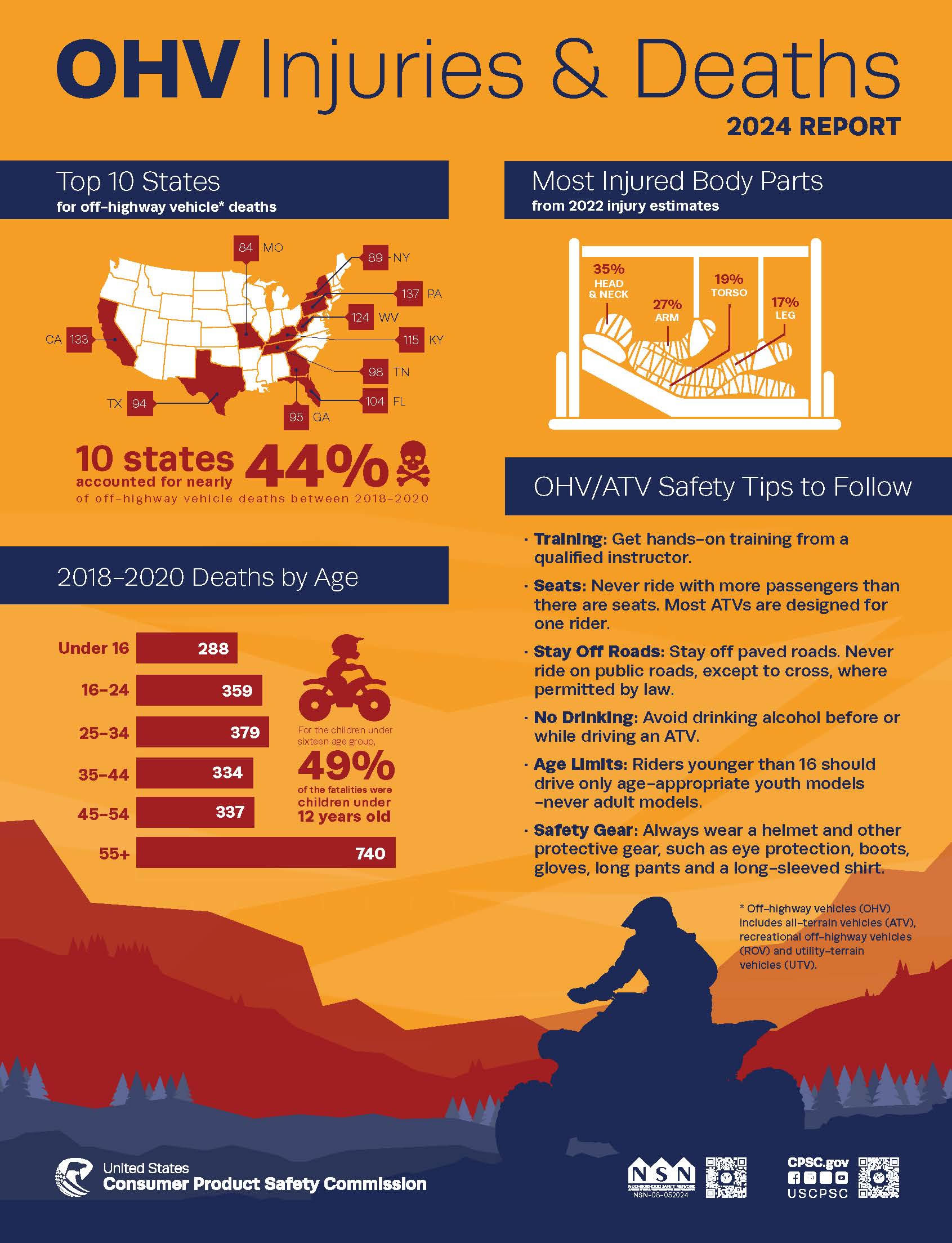
New annual report shows children under 16 and adults ages 45-54 have higher death rates in off-highway vehicles
WASHINGTON, D.C. – Memorial Day weekend marks the unofficial start of summer, and with it an increase in off-highway vehicle (OHV) use. The U.S. Consumer Product Safety Commission (CPSC) has released its annual report on deaths and injuries from off-highway vehicles which showed a staggering 33% increase in OHV-related deaths in 2020 compared to 2019, the most recent years for which data are available. Overturning and collisions with other vehicles or stationary objects, like a tree, were the leading causes of death. OHV occupants were frequently ejected in these types of incidents. CPSC is urgently warning all riders to prioritize safety and take necessary precautions to avoid tragedy.
“Riding an OHV should be an enjoyable and safe experience. Unfortunately, our annual report shows it is often a dangerous activity,” said CPSC Chair Alex Hoehn-Saric. “Deaths have gone up by 33% and those affected are disproportionately male. We are also seeing more deaths from OHV use in children under 16. We must reverse this trend and put safe riding first by wearing a helmet with proper gear and staying off paved roads.”
CPSC’s Annual Report of Deaths and Injuries Involving Off-Highway Vehicles
CPSC’s just-released report on off-highway vehicle deaths and injuries reveals that from 2018 through 2020, children under 12 years old were 44% of the fatalities among the group of children under 16. Older adults 55+ were also impacted, making up 30% of all OHV-related deaths. Nationwide, Pennsylvania, California, West Virginia, Kentucky and Florida collectively accounted for about one-quarter of fatalities and all-terrain vehicles (ATV) were the vehicle involved in more than two-thirds of all OHV-related deaths.
Over the full 5-year period from 2018 through 2022, there were an estimated 504,400 emergency department-treated injuries in the United States that were associated with OHVs. This corresponds to an annual average of around 100,900 emergency department-treated injuries over the period. Fractures, contusions/abrasions and internal organ injuries are the most common diagnoses with 76% of those injured treated and released.
In a continued effort to keep consumers safe from dangerous products, CPSC has issued 24 OHV-safety related recalls since January 2023.
It is important to follow some key safety tips for your next OHV/ATV adventure:
Training: Get hands-on training from a qualified instructor.
Seats: Never ride with more passengers than there are seats. Most OHVs/ATVs are designed for one rider.
Stay Off Roads: Stay off paved roads. Never ride on public roads, except to cross, where permitted by law.
No Drinking: Avoid drinking alcohol before or while driving an OHV/ATV.
Age Limits: Riders younger than 16 should drive only age-appropriate youth models -never adult models.
Safety Gear: Always wear a helmet and other protective gear, such as eye protection, boots, gloves, long pants, and a long-sleeved shirt.
Report any incidents involving injury or product defect to CPSC at www.SaferProducts.gov.
Individual Commissioners may have statements related to this topic. Please visit www.cpsc.gov/commissioners to search for statements related to this or other topics.
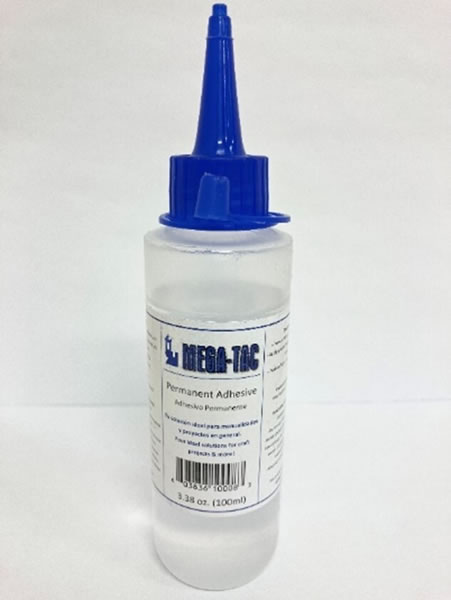
WASHINGTON, D.C. – The U.S. Consumer Product Safety Commission (CPSC) is warning consumers to immediately stop using Mega-Tac Permanent Adhesive, Silicon Liquid Glue because the glue bottles do not comply with the child resistant packaging requirements under the Poison Prevention Packaging Act (PPPA), posing a poisoning hazard to young children if ingested.
The liquid glue is required to have child-resistant packaging under the PPPA because the product contains four percent or more of methanol by weight. In addition, the label on the product violates the Federal Hazardous Substances Act (FHSA).
CPSC issued a Notice of Violation to the importer Genesis Inc., of Puerto Rico, but the firm has not agreed to recall this product or offer a remedy to consumers.
The translucent, white, plastic Mega-Tac permanent adhesive bottles have a blue, pointy cap. They were manufactured in Taiwan and imported from August 2019 through June 2021 and sold by Genesis and other craft, gift, clothing, and office supplies stores in Puerto Rico, including Detalles Impresos, Capri Guaynabo and Mundo Lápiz. Mega-Tac, the bottle size 3.38 oz (100 ml) and the UPC number 603836100083 are printed on the bottle’s white label.
CPSC urges consumers to stop using the bottles immediately and dispose of the product in accordance with local disposal laws.
Report any incidents involving injury or product defect to CPSC at www.SaferProducts.gov.
Individual Commissioners may have statements related to this topic. Please visit www.cpsc.gov/commissioners to search for statements related to this or other topics.
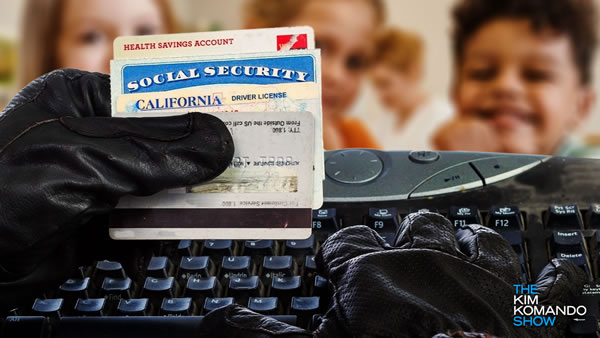
Last year, a Hawaii couple was convicted of living for decades under the identities of dead babies. Stories like this always disgust me, but after this long in tech, they don’t surprise me.
Crooks have no shame, folks: 2% of identity theft cases reported to the Federal Trade Commission (FTC) last year involved the personal info of Americans age 19 or younger. Many more go unreported, partly because they aren’t discovered until the victim attempts to apply for their first loan or credit card.
Once thieves get your kid’s Social Security number, they only need basic info found easily online, like their address, name and date of birth, to take out a loan or line of credit in their name.
Worse, you might be making these common mistakes that put your kid’s credit at risk — and you won’t realize it until it’s way too late.
Identity swiper, no swiping!
Here’s how to keep thieves from stealing your kid’s data.
Be skeptical: Identity thieves can be anyone from a relative, someone collecting payments at the doctor’s office or even a soccer coach. Be wary about handing over your kid’s SSN.
Lock it up: Put physical SSN cards and birth certificates in a fireproof document box and lock down digital copies with multifactor authentication or passwords.
Be social-savvy: Be careful about posting key identifying info related to your kid, like their birth date or physical address. No more pics of driving permits, either, OK?
Step 3: Show your kid the ropes
Gen Alpha, kids age 14 and younger, may be growing up with the internet, but that doesn’t mean they have adult judgment. Warn them of these common traps:
“Personality” quizzes that are fronts for data miners.
Questions from strangers on social media or video game chats.
Phishing emails; most kids have email addresses by the time they’re in their teens.
Handing over any info to curious strangers online.
⚡️ Share this important tip with anyone you know who has kids. It could save them and their kids a lifetime of stress. Use the handy icons below. You can make a difference!
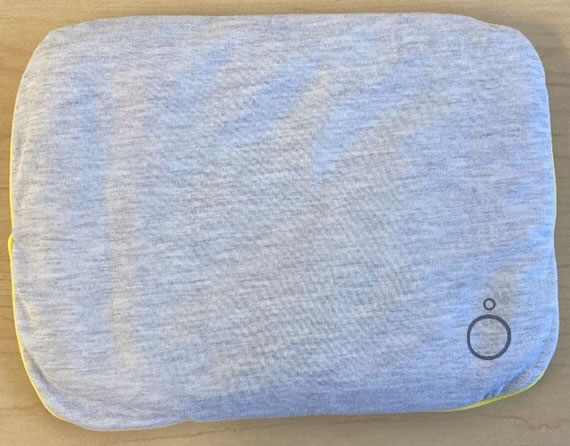
WASHINGTON, D.C. – The U.S. Consumer Product Safety Commission (CPSC) is warning consumers to immediately stop using the OmvedTherapies infant pillows because they pose a suffocation hazard to infants. The pillows violate the infant pillow ban because of their flexible fabric covering, loose filling, and ability to easily flatten and conform to an infant’s body or face.
CPSC issued a Notice of Violation to the manufacturer, Omved Lifestyle Pvt. Ltd., of India, but the firm has refused to recall these infant pillows or offer a remedy to consumers.
The pillows were sold online at Amazon.com and Omved.com from February 2023 through February 2024 for between $20 and $30. The pillowcase is light gray with a bright yellow zipper and has the Omved logo of a large circle with a smaller circle beside it on the corner of the case. The inner pillow is filled with lavender and mustard seeds. The small pillow is 7.5 inches by 9.8 inches and the large pillow is 7.9 inches by 13.8 inches. The pillow also came with the “Baby Care Kit” and the “Mom & Baby Care” kit.
CPSC urges consumers to stop using the infant pillows immediately, separate the pillowcase and pillow, and dispose of the pillowcase and pillow, as well as the lavender and mustard seed contents.
Parents and caregivers are reminded:
The best place for an infant to sleep is on a firm, flat surface in a crib, bassinet or play yard.
Use a fitted sheet only and never add blankets, pillows, padded crib bumpers, or other items to an infant’s sleeping environment.
Infants should always be placed to sleep on their back. Infants who fall asleep in an inclined or upright position should be moved to a safe sleep environment with a firm, flat surface such as a crib, bassinet or play yard.
Individual Commissioners may have statements related to this topic. Please visit www.cpsc.gov/commissioners to search for statements related to this or other topics.
Washington, D.C. — The U.S. Consumer Product Safety Commission (CPSC) is warning consumers about the risk of burns and smoke inhalation associated with the use of Elide brandfire extinguishing balls. These products can fail to extinguish a fire, which could lead to serious injury and death.
The products can fail to effectively disperse fire retardant chemicals and fail to extinguish a fire. CPSC evaluated the products with reference to the standard test methods of UL 299 Dry Chemical Fire Extinguishers and UL 711 Rating and Fire Testing of Fire Extinguishers, which are voluntary standards for testing fire suppression devices. The products do not meet the requirements of UL 299 Dry Chemical Fire Extinguishers and UL 711 Rating and Fire Testing of Fire Extinguishers. The Subject Products failed to extinguish fires under the test methods prescribed by the standards. In addition, the products do not have a pressure gauge or pressure indicator, a locking device to reduce the risk of unintentional discharge, a self-closing valve for intermittent discharge, or a nozzle to direct the discharge, which makes it difficult to extinguish a fire and poses a significant risk of personal safety.
At this time, Elide Fire USA has not agreed to recall these fire extinguishing balls or offer a remedy to consumers.
Elide Fire USA sells three models of the fire extinguishing balls to consumers on elidefireus.com. The ELB01 and ELB02-1 models are made of red plastic, with a diameter of either 4 or 6 inches and weigh either 1.5 or 3 pounds. The ELB02-2 model is made of blue plastic, with a diameter of 4 inches and a weight of 1.5 pounds. The products also include a stand that can be mounted to the wall. The products have a label wrapped around the front of the product with the Elide Fire logo. Elide Fire USA sold the fire extinguishing balls for between $95 and $120. This warning includes all three models.
CPSC urges consumers not to purchase or sell these fire extinguishing balls.
Consumers should stop using and dispose of these products at either a local fire department or a hazardous waste disposal facility. Consumers should only purchasefire extinguishers that meet both the UL 299 and UL 711 safety standards and are marked with those certifications.
Report any incidents involving injury or product defect to CPSC at www.SaferProducts.gov.
Individual Commissioners may have statements related to this topic. Please visit www.cpsc.gov/commissioners to search for statements related to this or other topics.
WASHINGTON, D.C. – The U.S. Consumer Product Safety Commission (CPSC) is warning consumers to immediately stop using braided crib bumpers sold exclusively on Amazon by XHJRI-US, because they pose a suffocation hazard to infants. The crib bumpers are banned by the federal Safe Sleep for Babies Act.
CPSC issued a Notice of Violation to the seller, XHJRI-US, of China, but the firm has not agreed to recall these crib bumpers or offer a remedy to consumers. Consumers who purchased the product will receive this notice directly.
The braided crib bumpers were sold online at Amazon.com from April 2022 to November 2023 for between $20 and $123. CPSC evaluated the gray 157-inch braided crib bumper and images of other models and determined that all of the company’s braided crib bumpers sold in a variety of sizes and colors are subject to the federal ban. The crib bumpers have no markings or labels and are made from four strands braided into one long length of fabric. The crib bumpers come in eight different sizes: 39.3 inch, 78.7 inch, 118 inch, 124 inch, 128 inch, 157 inch, 160 inch or 196 inch.
The Safe Sleep for Babies Act declared crib bumpers a banned hazardous product as of November 12, 2022. The CPSC urges consumers to stop using and dispose of all XHJRI braided bumpers regardless of date of manufacture or purchase.
CPSC urges consumers to stop using the crib bumpers immediately, undo the braid, cut the strands, and dispose of the bumpers.
Parents and caregivers are reminded:
The best place for an infant to sleep is on a firm, flat surface in a crib, bassinet or play yard.
Use a fitted sheet only and never add blankets, pillows, padded crib bumpers, or other items to an infant’s sleeping environment.
Infants should always be placed to sleep on their back. Infants who fall asleep in an inclined or upright position should be moved to a safe sleep environment with a firm, flat surface such as a crib, bassinet or play yard.
Report any incidents involving injury or product defect to CPSC at www.SaferProducts.gov.
Individual Commissioners may have statements related to this topic. Please visit www.cpsc.gov/commissioners to search for statements related to this or other topics.
Report any incidents involving injury or product defect to CPSC at www.SaferProducts.gov.
Individual Commissioners may have statements related to this topic. Please visit www.cpsc.gov/commissioners to search for statements related to this or other topics.
WASHINGTON, D.C. – As cold weather continues to impact much of the country, the U.S. Consumer Product Safety Commission (CPSC) is warning consumers about deadly hazards from home heating equipment, including space heaters, furnaces and fireplaces, based on the findings in a recent report.
A new CPSC report shows that the upward trend in non-fire carbon monoxide (CO) poisoning deaths from consumer products, including portable generators and heating appliances, continued for the 11-year period from 2010 to 2020. The estimated number of non-fire CO poisoning deaths associated with consumer products under CPSC’s jurisdiction rose to an all-time high of 254 in 2019. Although there were fewer estimated deaths, 211, in 2020, that number otherwise exceeds all earlier years in the period.
In 2020, the highest number of CO deaths associated with any single product category, 92, were associated with generators, which are often used to heat homes when the power goes out. The second highest number, 33, were associated with portable heaters.
Carbon monoxide is an odorless, colorless and poisonous gas known as the “invisible killer.” Most CO deaths in the U.S. occur in the colder months of the year, with more than half occurring in November, December, January, and February.
CPSC urges consumers to take safety precautions while keeping their home warm this winter.
Generators
A gasoline-powered generator used during weather-related power outages can produce as much CO as hundreds of cars. Since 2010, portable generators have been associated with an estimated 796 non-fire CO poisoning deaths, accounting for 40 percent of all non-fire CO deaths related to consumer products under CPSC’s jurisdiction.
NEVER operate a portable generator inside a home, garage, basement, crawlspace, shed or other enclosed space. Opening doors or windows will not provide enough ventilation to prevent the buildup of lethal levels of CO.
Always operate portable generators outside, at least 20 feet away from the house. Don’t operate a generator on a porch or in a carport. It may be convenient, but it’s too close to home and puts your family at risk of CO poisoning. Direct the generator’s exhaust away from your home and other buildings where someone can enter. Close windows and seal off vent openings that are near the generator or in the path of its exhaust.
Regularly check and maintain your portable generator to ensure it will work properly when needed. Read and follow all labels, instructions and warnings on the generator and in the owner’s manual.
Look for portable generators that have a CO shut-off safety feature. This safety feature automatically shuts off the generator when high levels of CO are present around the generator. CPSC estimates that models that are certified to the latest PGMA G300-2018 and UL 2201 safety standards reduce deaths from CO poisoning by 87% and 100%, respectively. UL 2201 certified models have reduced CO emissions in addition to the CO shut-off feature.
Heating Systems
Fuel-burning heating systems, including furnaces and fireplaces, can be a source of fatal or hazardous CO levels. Heating systems can cause CO poisoning if they are improperly installed, poorly maintained, have defective or blocked venting systems or are misused.
Have a professional inspect all fuel-burning heating systems, including furnaces, boilers, fireplaces, wood stoves, water heaters, chimneys, flues and vents each year.
Clear snow away from the outside vents for fuel-burning appliances such as furnaces so that dangerous carbon monoxide does not build up in the house.
Portable Heaters
CPSC estimates that fuel-burning portable heaters were involved in an estimated 33 unintentional, non-fire CO poisoning deaths in 2020. Portable heaters can also cause fires.
Never leave portable heaters on while sleeping.
NEVER leave running unattended in a confined space to reduce hyperthermia hazards.
Place the heater on a stable, level surface, located where it will not be knocked over.
Keep all sides of the portable heater at least 3 feet from beds, clothes, curtains, papers, sofas and other items that can catch fire.
Fuel-burning portable heaters should never be refueled while in use; turn the heater off and allow it to cool down before refueling.
When using electric portable heaters, ALWAYS use a wall outlet; NEVER a power strip and NEVER run the heater’s cord under rugs or carpeting.
Be mindful of children and pets around portable heaters.
CO Alarms
Working CO alarms save lives!
Install battery-operated CO alarms or CO alarms with battery backup on each level and outside separate sleeping areas at home. Interconnected CO alarms are best; when one sounds, they all sound.
Test CO and alarms monthly to make sure they are working properly, and replace batteries, if needed. Never ignore an alarm when it sounds. Get outside immediately. Then call 911.
Check for recalled products
Check to see if your home heating equipment has been recalled at www.cpsc.gov/recalls. If a product has been recalled, stop using it immediately and contact the recalling company for the remedy–a refund, repair or replacement.
Report any incidents involving injury or product defect to CPSC at www.SaferProducts.gov.
Individual Commissioners may have statements related to this topic. Please visit www.cpsc.gov/commissioners to search for statements related to this or other topics.
CPSC has heard heartbreaking stories from parents whose children ingested water beads and suffered severe consequences, including grave internal injuries, lifelong health impacts and death.
What are Water Beads?
Water beads look harmless – almost like candy – but can be deadly to babies and small children if ingested; and can lead to choking, internal injuries and even death if left undetected.
Water beads, often sold as toys, in craft kits, as sensory tools for children with developmental disabilities or for agricultural use, are small, water-absorbing, often colorful balls of super absorbent polymer and can grow 100X their original size when exposed to water!
How do Water Beads work?
Dry water beads can be the size of a pinhead, making them nearly undetectable if dropped on the floor or spilled in a playroom.
Ingested water beads can continue to grow inside the body. This can cause severe discomfort, vomiting, dehydration, intestinal blockages and life-threatening injuries, and surgery may be required to remove the water beads.
Water beads inserted into ears can damage ear structures, causing hearing loss and require surgery.
Water beads are associated with thousands of emergency-department visits every year. [From 2016-2022, there were an estimated 7,800 Emergency Room (ER) visits associated with water beads and CPSC is aware of at least one death.]
What is the warning?
CPSC urges parents and caregivers to remove these products from any environment with small children (3 years old and younger). CPSC also urges childcare centers, camps, and schools to avoid these products entirely. If you suspect your child has swallowed a water bead or inserted a water bead into their ear or nose, seek medical treatment right away.
Safety Tips:
Do not allow children to play with water beads unsupervised.
Store water beads in a secure container and location where young children cannot easily access them.
Water beads can easily scatter, roll, and become lost in the home and can be ingested in the dehydrated state. The only way to mitigate the hazard is to remove them from the home.
In Case of Emergency:
Call National Poison Help Line at 800-222-1222, 24 hours a day.